in the person of
US /ɪn ðə ˈpɝsn ʌv/
・UK /in ðə ˈpɜ:sn ɔv/
C1
prep.PrepositionRepresented or embodied by a specific individual.
The prize was accepted in the person of the team captain.
Video subtitles
Strange Case of Dr Jekyll and Mr Hyde by Robert Louis Stevenson | Full Audiobook

- will to which you so much objected; so that if anything befell me in the person of Dr. Jekyll,
will to which you so much objected; so that if anything befell me in the person of Dr. Jekyll,
- the anger of a passer-by, whom I recognised the other day in the person of your kinsman;
the anger of a passer-by, whom I recognised the other day in the person of your kinsman;
Part 1 - The Adventures of Tom Sawyer Audiobook by Mark Twain (Chs 01-10)
- and when he climbed cautiously in at the window, he uncovered an ambuscade in the person of his aunt,
and when he climbed cautiously in at the window, he uncovered an ambuscade in the person of his aunt,
- window, he uncovered an ambuscade, in the person of his aunt; and when she saw the
window, he uncovered an ambuscade, in the person of his aunt; and when she saw the
Justice: What's The Right Thing To Do? Episode 06: "MIND YOUR MOTIVE"

- This line of reasoning leads Kant to the second formulation of the categorical imperative, which is this: Act in such a way that you always treat humanity, whether in your own person or in the person of any other, never simply as a means, but always at the same time as an end.
This line of reasoning leads Kant to the second formulation of the categorical imperative, which is this: Act in such a way that you always treat humanity, whether in your own person or in the person of any other, never simply as a means, but always at the same time as an end.
- or in the person of any other
or in the person of any other
Part 2 - Anne of Green Gables Audiobook by Lucy Maud Montgomery (Chs 11-18)

- It almost seemed to her that those secret, unuttered, critical thoughts had suddenly taken visible and accusing shape and form in the person of this outspoken morsel of neglected humanity.
It almost seemed to her that those secret, unuttered, critical thoughts had suddenly taken visible and accusing shape and form in the person of this outspoken morsel of neglected humanity.
- taken visible and accusing shape and form in the person of this outspoken morsel of
taken visible and accusing shape and form in the person of this outspoken morsel of
Why I Became a Priest (It's not what you think)
- I just thought, "What more could I do for someone than literally give them Jesus in the Eucharist and forgive their sins in the person of Christ?
I just thought, "What more could I do for someone than literally give them Jesus in the Eucharist and forgive their sins in the person of Christ?
The Adventures of Tom Sawyer by Mark Twain - Chapter 01 - Tom Plays, Fights, And Hides
- and when he climbed cautiously in at the window, he uncovered an ambuscade in the person of his aunt,
and when he climbed cautiously in at the window, he uncovered an ambuscade in the person of his aunt,
Freud was more right than you think | The Gray Area
- You know, it's literally directly in the person of Aaron Beck derived from psychoanalysis.
You know, it's literally directly in the person of Aaron Beck derived from psychoanalysis.
Confronting Modern Case Law, Part 2 | America's Unwritten Constitution with Akhil Reed Amar
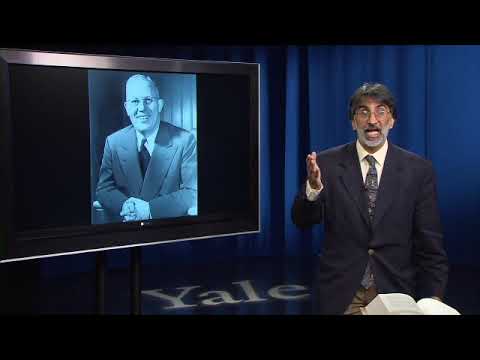
- And so in the person of Anthony Kennedy and in many, many other ways, I think you see the enduring power, the continuity of the Warren Court vision in various ways.
And so in the person of Anthony Kennedy and in many, many other ways, I think you see the enduring power, the continuity of the Warren Court vision in various ways.